
I think back to the first time I stepped into a casino, the minimum bet on the blackjack table was £25, and I was paralysed jackpotbobcasino.eu. That moment taught me something worthwhile: not everyone wants to gamble a takeaway’s value in money on a single hand. Low stakes casino games solve exactly that problem, enabling you to gamble for pennies in place of pounds. They have gradually become the foundation of online gambling in the UK, creating opportunities to players who appreciate entertainment over adrenaline-fuelled risk. I intend to unpack how they actually function.
Promotional Frameworks and Their Interaction with Small Bet Gaming
Introductory promotions produce a conflict for small bettors. A 100% match up to £200 seems ample, but the wagering requirement, often 35x the bonus amount, implies you need to play through £7,000 in bets to access £200 of bonus funds. At £0.20 per spin, that equals 35,000 spins. I calculate the expected loss against the bonus value: 35,000 spins at £0.20 with a 96% RTP slot produces a projected loss of £280, which surpasses the £200 bonus. The mathematics is not kind to budget wagering of big deposit matches.
What works better involve more modest, no-wagering offers or cashback deals. A £10 cashback on net losses with 1x wagering is truly attainable at low stakes. Free spins bundles, 20 or 50 spins on a designated slot, also fit nicely with low budget gaming because the spin value is fixed and the wagering on winnings is typically lower. I examine the terms attentively to check the free spin value. Some operators peg it at £0.10 per spin, which is fine, while others use £0.25, which alters the projected payout estimation substantially.
Continuing Deals That Recognize Steadiness Over Volume
Daily drops, prize pools, and leaderboard tournaments can be unexpectedly accessible to low stakes players. Many of these promotions award points based on the number of spins or hands played rather than the aggregate wagered. A player making 500 spins at £0.10 receives the same tournament entries as someone doing 50 spins at £1, assuming the promotion tallies rounds rather than turnover. I regularly look for these mechanics because they equalize the competition and offer small-stakes play a way to meaningful prizes.
Loyalty programmes diverge in how they handle small bet activity. Some award comp points based strictly on wagering volume, which hampers small bettors. Others use a tiered system where the speed of point accumulation speeds up at higher levels. I monitor my points-per-session for the first month on any new platform to determine whether the loyalty scheme genuinely rewards my playing style or is intended solely for bigger spenders. The data generally tells a clear story within a few sessions.
Game Types That Offer the Top Low Stakes Value
After years of evaluating, I have developed strong convictions about which game types deliver the most enjoyment per pound at minimum stakes. Slots with high hit frequencies, those that produce a win on 30% or more of reels, keep the session feeling engaging even at £0.10 or £0.20. Games like Blood Suckers with its 98% RTP or Jack Hammer with its frequent small wins illustrate this method. The drawback is that the wins are inclined to be small, but the steady stream of positive results maintains engagement.
Video poker warrants more consideration from low stakes players than it typically gets. A £0.25 hand of Jacks or Better with optimal approach carries a house edge around 0.5%, equivalent to the best blackjack variants. The decision-making component adds a skill dimension that slots lack, and the speed is entirely on your own. You can take thirty seconds to review a hand without anyone pressuring you. I consider video poker to be the most economical way to spend an hour on a casino site when I am in the frame of mind for something more thoughtful than spinning slots.
- High RTP slots (97% and above) preserve bankroll over prolonged sessions
- Low house edge table games (blackjack, baccarat, video poker) reduce theoretical loss
- Games with frequent small wins keep engagement without requiring large bets
- Tournament-eligible titles let low stakes quantity translate into prize pool places
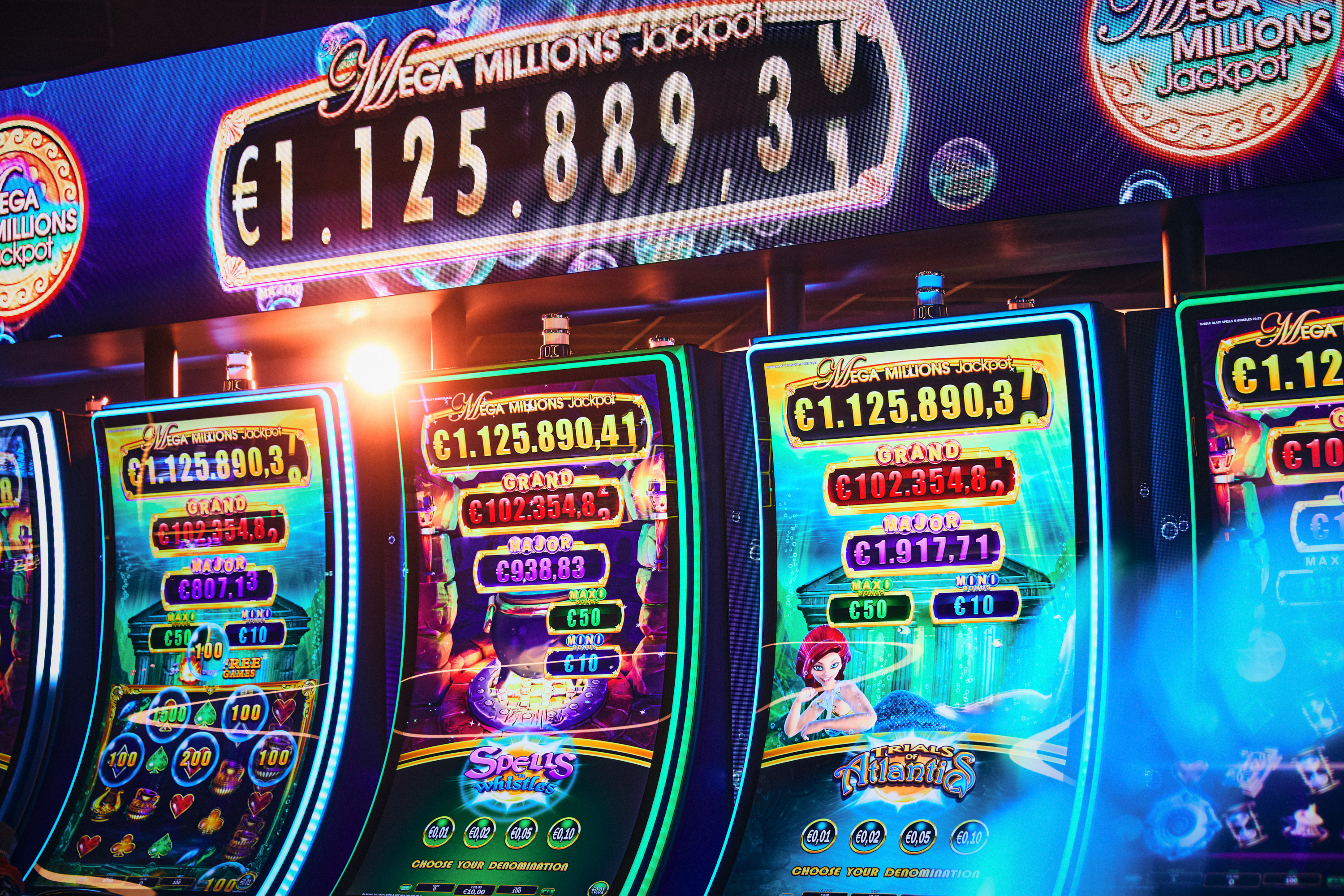
- Jackpot slots should be approached cautiously due to seed contribution workings
Payment Methods and How They Affect Low Stakes Bankroll Management
Initial deposit requirements directly affect your approach to low stakes play. When a casino demands a £20 minimum deposit yet your chosen stake is £0.10, you are locking yourself into at least 200 base units of play. That is perfectly reasonable, however it implies you cannot casually drop in with a fiver. I seek out platforms that support e-wallets and allow deposits as low as £10, which fits better with a low stakes philosophy. Jackpot Bob Casino generally handles e-wallet transactions right away, so that I can top up a session and start playing within two minutes.
Minimum withdrawal amounts and processing times are the other half of the equation. It is pointless grinding a £10 deposit up to £30 if the lowest withdrawal is £50 and the approval time drags to five days. I always check the cashier page for the specific amounts before depositing. The most accommodating setups for low stakes I have seen permit cash-outs from £10 or £20 with e-wallet processing within 24 hours. Card payouts typically require three to five business days, which is a clear drawback when working with modest figures.
Standard Processing Times and Verification Requirements
British casinos must adhere to Know Your Customer regulations, meaning you have to authenticate your identity before a first withdrawal. The process usually requires a photo ID, proof of address issued within the last three months, and sometimes a screenshot of your payment method. I suggest doing verification straight after registration, instead of when you plan to take money out. The emotional frustration of winning a modest amount and then waiting five days for document approval is completely preventable with a ten-minute proactive effort.
Handling times differ by method. E-wallets like Skrill and Neteller frequently finish within hours once the account is verified. Bank wires can require three to seven working days. For low stakes players who tend to take out smaller sums regularly, the speed difference matters. A £25 cash-out that lands the same day feels like a real win. The same figure that takes a week to show up loses its emotional weight. I take this into account when picking of payment method when making a deposit, rather than at withdrawal.
Video Slots Designed for Budget-Conscious Players
Not every slot works to operate at minimum bet. Some older titles restrict bonus features behind a minimum stake threshold, meaning you literally can’t activate free spins unless you bet at least £0.25 or £0.50. Modern providers like Pragmatic Play and NetEnt have stepped back from this model, but I still encounter legacy games where the “ante bet” feature requires a higher base wager. The ante bet concept itself is key to know: you pay a small percentage more per spin, often 25% to 50%, to double your chance of triggering a bonus. At low stakes, that premium feels negligible.
Megaways slots warrant special attention. With up to 117,649 ways to win, the minimum bet of £0.10 or £0.20 can still produce wins that feel substantial relative to the stake. A 500x win on a £0.20 spin is £100, which is a notable cashout for most casual players. The cascading reels mechanic also creates a sense of extended action per spin, since one paid round can chain into multiple consecutive wins. I find that Megaways titles deliver the best entertainment-per-penny ratio in the low stakes category.
Bonus Buy Features and Their Impact on Small Bankrolls
The bonus buy option has transformed low stakes strategy. Instead of waiting potentially hundreds of spins for a feature to trigger naturally, you can purchase direct entry for a fixed multiplier of your stake, typically 50x to 100x. On a £0.20 base bet, a 100x buy costs £20. That is a sizeable chunk of a small deposit, but it assures you experience the game’s headline feature. I approach bonus buys cautiously: the RTP on bought features is sometimes slightly higher than natural triggers, but the variance is centered into a single decision point.
Some jurisdictions restrict bonus buy mechanics, but UK players generally have access to them through properly licensed platforms. Before using a buy feature, I determine what percentage of my session bankroll the purchase represents. If a £20 buy consumes 40% of a £50 deposit, I am accepting concentration risk that one mediocre bonus round could ruin my session. The smarter play is often to use natural triggers and let the low stake do its work over time.
Table games at Micro Limits: What Actually Works
Blackjack dominates the low stakes table game category for good reason. The house edge can fall below 0.5% with perfect basic strategy, meaning a £0.50 hand costs you roughly a quarter of a penny in theoretical loss. That is exceptional value for entertainment. I maintain a basic strategy chart open on my phone for the first few sessions with any new variant, because even minor rule changes change the correct playing decisions. Surrender options, dealer peeking rules, and deck counts all interact in ways that are not intuitive without a reference.
Roulette at low stakes presents a different calculation. A £0.10 minimum on inside bets lets you spread a pound across ten numbers, creating a coverage pattern that hits roughly one in four spins on a European wheel. The 2.7% house edge on single-zero roulette means your expected loss per £1 wagered is about £0.027. At a relaxed pace of 40 spins per hour with £1 total bet per spin, you are looking at a theoretical hourly cost of just over £1. That is more affordable than a streaming subscription and arguably more interactive.
Low Stakes Live Dealer: The Realistic Floor
Live casino games cannot drop as low as their digital counterparts. The economics of a human dealer, a professionally lit studio, and real-time video streaming require a higher minimum bet to remain profitable. In the UK market, I typically see live blackjack and live roulette floors at £0.50 to £1. Some dedicated low stakes live tables run 24/7 with a £0.50 minimum, but they fill up quickly during peak evening hours. I have discovered to log in during weekday afternoons if I want a seat at the lowest-limit live tables without queuing.
The social element of live dealer play changes the low stakes experience. Chat functions let you communicate with the dealer and other players, which adds a layer of entertainment that pure RNG tables lack. When I am playing £0.50 hands of live blackjack, the dealer’s personality and the table banter become part of the value proposition. The slightly higher house edge compared to digital blackjack, often around 0.7% to 1%, feels acceptable because I am paying for a more complete experience.
Frequent Mistakes Low Limit Players Commit and How to Prevent Them
The most frequent error I see is stake inflation during a winning streak. A player begins at £0.20, hits a 100x win, and suddenly feels motivated to bump the bet to £0.50 or £1. The maths does not justify this. Your expected loss per spin scales proportionally with your stake, so increasing your bet directly increases the rate at which the house edge diminishes your balance. The win you just hit is already in your account; it does not suggest that the slot is “hot” or that your luck has changed. The random number generator has no memory.
Another trap is overlooking the contribution weighting of different games toward wagering requirements. If you claim a bonus and then play blackjack, which often contributes only 10% or 20% toward the playthrough, you are effectively increasing the required wagering volume by five or ten times. At low stakes, that can make a bonus mathematically unattainable to clear within any reasonable timeframe. I check the game weighting table in the bonus terms before I play a single hand on a bonus-funded balance.
Misinterpreting the Connection Between Stake and RTP
Some players believe that betting higher unlocks a better RTP, and they cite anecdotal evidence of bigger wins at higher stakes. This is confirmation bias. The RTP is a long-run statistical property calculated over millions of spins. Your individual session of 500 spins is a tiny sample that will be influenced by variance regardless of your bet size. Betting more to “unlock” better returns is a logical error that simply increases your expected loss per hour. The slot does not know or care how much you are wagering.
The corollary mistake is believing that low stakes automatically mean you are playing safely. The bet size is only one variable in a responsible gambling framework. Time spent, frequency of sessions, and the presence or absence of other risk factors in your life all matter. Low stakes can enable a high-frequency playing pattern that becomes problematic through sheer volume. I monitor my weekly session count as attentively as my per-spin cost, because the cumulative effect of many small sessions can surpass the impact of a single large one.
Grasping the Real Cost of Small Stakes Entertainment
I compute the hourly cost of my play with precise precision. If I wager £40 over a two-hour session on a 96% RTP slot, my theoretical loss is £1.60. Factor in the electricity to run my device and the data used, and I am still under £2 for two hours of interactive entertainment. Measure that to a cinema ticket at £12 for the same duration, and the value proposition becomes evident. This calculation only holds if I adhere to the plan and do not seek losses or increase stakes mid-session, which is why discipline is the invisible foundation of every aspect I have described.
The social dimension also carries value. A low stakes live dealer table provides company and conversation for players who might otherwise spend an evening alone. That is a true welfare benefit that does not appear on a balance sheet. I am careful not to over-romanticise this aspect, gambling is not a substitute for real social connection, but as a supplementary activity during quiet hours, it occupies a niche that other digital entertainment does not address in quite the same way.
- Calculate your expected hourly cost using RTP and bet volume before depositing
- Measure that cost to alternative entertainment options for a reality check
- Set deposit, loss, and time limits that reflect your entertainment budget, not your gambling ambitions
- Utilise low stakes as a tool to explore game variety without financial pressure
- View any winnings as a bonus, never as income or a recovery mechanism
Building a Sustained Small Bet Method Which Works
Longevity is the goal. A small bet approach needs to let you savour casino games for years without monetary strain or regretful actions. This necessitates regarding the activity as a fee-based pastime, not a money-making endeavour. I allocate a fixed monthly amount, usually £50 to £100, and I regard it as gone the instant I fund the account. Any cashouts are a pleasant surprise, not an assumed result. This psychological approach eliminates the pressure to recoup losses and lets me focus on the gameplay systems and the basic fun of play.
I also alternate through game genres intentionally. A stretch of slot games followed by a month centered on video-poker and blackjack maintains novelty and engages different mental muscles. The low-stakes format makes this rotation affordable because I am not committing large sums to pick up a new game. If I lose £10 while working out optimal Caribbean Stud Poker strategy, that is a low-cost lesson. The variety also avoids the mindless state that can set in when you spin the same slot for weeks at a time.
- Determine a predetermined monthly leisure allowance and consider deposits already used
- Rotate game categories to sustain interest and build new skills
- Record session results not for financial evaluation but for time-and-fun review
- Review bonus terms thoroughly before signing up, focusing on wagering requirements and game percentages
- Employ platform safe gambling tools as built-in protections, not optional extras
The Technology Stack Powering Modern Low Stakes Play
Behind every £0.10 spin lies a sophisticated infrastructure. Game providers operate their titles on distributed server networks that deliver the same random number generation and graphical assets regardless of your stake. The casino platform integrates these games via API, handling account balance updates in real time with sub-second latency. When you press spin, your device submits a request to the game server, which creates an outcome, delivers it, and simultaneously tells the casino platform to debit your balance and credit any winnings. This entire round trip occurs in under 300 milliseconds on a decent connection.
Payment processing brings another layer. E-wallet transactions pass through intermediary services that confirm funds and settle between the casino’s merchant account and your personal account. The speed difference between methods comes down to how many intermediary steps exist. Bank transfers go through multiple clearing stages, while e-wallets work on pre-funded balances that remove verification delays. For low stakes players who value liquidity, the technical architecture of e-wallets offers a genuine advantage that justifies any nominal deposit fees.
Number Randomization and Game Integrity
The RNG at the heart of every digital casino game is a piece of software that generates numbers at a rate of thousands per second, even when no one is playing. The moment you press spin, the game captures the next number in the sequence and maps it to a reel position or card value. This process is continuously tested by the certification labs I mentioned earlier. They perform statistical analyses on billions of outcomes to confirm that the distribution matches true randomness within acceptable confidence intervals.
For live dealer games, the randomness comes from physical processes: a shuffled deck, a spinning wheel, a ball dropped onto a rotating track. These are observed by multiple cameras and sometimes by RFID chips embedded in the cards. The technology investment required to run a live studio is substantial, which explains the higher minimum bets. When I play live low stakes roulette, I am essentially dividing the cost of that studio infrastructure with every other player at the table, which appears like a fair trade for the authenticity of a real wheel spin.
Licensing, Safety, and Why They Matter More at Low Limits
You will find a paradox here: players at low limits demand robust licensing compared to high-stakes players do. A high roller can absorb a challenged £5,000 withdrawal; a casual player who has carefully built a £60 fund from £10 pay-ins suffers true frustration if that funds gets held up in a licensing issue. UK Gambling Commission supervision delivers a organised grievance procedure and required dispute resolution through independent adjudicators. I do not play on any casino that does not have UKGC regulation, irrespective of how tempting the low stakes offering appears.
Protection goes beyond regulation to the security measures. SSL protection protects your payment details and personal information during transmission. Responsible gaming tools, deposit limits, session limits, awareness checks, and self-exclusion options, are more than checking boxes. For a low-limit player, establishing a £20 weekly deposit limit forms a firm limit that stops the slow creep of “one more tenner.” I establish these restrictions straight away upon sign-up and regard them as non-negotiable play session rules.
Game Fairness Checks and Game Certification
Third-party testing agencies like eCOGRA, iTech Labs, and GLI verify that the RNGs in casino games produce authentically unpredictable results. For low stakes slots, this verification confirms that a £0.10 play has the identical fairness as a £100 spin. The testing labs also validate the published RTP figures, so the 96% you find in the game information panel is not a advertising trick. I look for audit certificates in the page footer or the game information menu as a fast trust check.
Provable fairness technology, more widespread in crypto casinos, has still not reached the British market in a meaningful way. Traditional RNG certification stays the norm. That is completely sufficient for low-limit play because the amounts involved do not warrant the computational burden of validating each play’s hash. The present licensing structure, with its routine audits and mystery shopper schemes, offers sufficient assurance that you are receiving a honest game.
Defining Low Stakes Casino Games in Realistic Terms
When I talk about low stakes casino games, I describe titles where the minimum bet sits between £0.10 and £0.50 per round or spin. This threshold matters because it basically changes the relationship between your bankroll and your playing time. A £20 deposit at a £0.10 minimum blackjack table gives you 200 base bets, which can translate into a full evening of play. At Jackpot Bob Casino, I always find filtering options that let me sort by minimum stake, which saves me from scrolling through high-roller tables that do not fit my session goals.
The psychology is straightforward: lower stakes diminish the fear of ruin. When a single spin is less than a chocolate bar, the emotional swings flatten out. You take more rational decisions because the financial consequence of any one mistake falls to nearly zero. This is not about being cheap; it is about extending the value of your deposit. I have observed players who change from £1 spins to £0.20 spins suddenly become more adventurous with bonus features, simply because they feel they can afford to explore.
How Operators Establish Minimum and Maximum Limits
Casinos do not pick these numbers randomly. The minimum bet is usually computed to cover the game provider’s licensing fee per round while still generating a theoretical margin. For a slot with a 96% RTP, a £0.10 spin mathematically returns £0.096 over infinite play, giving the house with £0.004. Multiply that by thousands of spins, and the model stands. The maximum bet on a low stakes table often caps at £5 or £10, which stops high rollers from exploiting the relaxed atmosphere to place large wagers that the table was not balanced to handle.
Table games introduce another layer. A £0.10 blackjack hand might look impossibly low, but software-driven tables can handle it because there is no physical dealer to pay. Live dealer games, however, rarely drop below £0.50 because a human presenter and studio costs must be paid for. I always check the lobby at Jackpot Bob Casino to determine whether a low limit applies to the digital version, the live version, or both. The distinction can take you by surprise if you think a promotion applies universally.
Playing on the go and Low Stakes: A Ideal Partnership
Low limit casino games excel on mobile devices. The brief play duration that small bets encourage, five or ten minutes here and there, maps perfectly onto phone usage patterns. I play most of my low stakes sessions while on a train platform or during a lunch break. The key technical requirement is that the games are quick to load and the interface elements stay sufficiently large to tap accurately. Nothing eats away at a small bankroll faster than a mis-tap that accidentally maxes your bet because a button was badly sized for a phone screen.
Jackpot Bob Casino’s mobile experience handles this well in my testing. The game lobby adapts to the display without cropping important controls, and the bet adjustment buttons are positioned with enough distance to prevent fat-finger errors. I also value that the cashier integrates smoothly with mobile payment flows, so I can deposit via Apple Pay or a saved e-wallet without switching to a desktop. The convenience factor maintains a low entry threshold, which is exactly what low stakes play should be about.
Browser Versus App-Based Mobile Play
Most modern casino platforms have shifted to progressive web apps or fully responsive websites rather than native apps that need installation from an app store. This suits low stakes players because it removes the friction of installation and updates. I simply visit the site, log in, and play. The games run in HTML5, which means they are compatible with iOS and Android without platform-specific quirks. The trade-off is that push notifications for promotions are less reliable through a browser than a native app, but for low stakes casual play, I view that as a small drawback.
Data usage is another real-world consideration. A live dealer stream requires significantly more mobile data than an RNG slot. On a limited data plan, an hour of live roulette could use 300MB to 500MB, whereas a slot session of the same duration might consume under 50MB. I use Wi-Fi for live dealer play and save mobile data for slots and digital table games. This is the kind of micro-optimisation that low stakes players tend to value because we are already focused on marginal gains and cost control.
Cross-Device Functionality and the Low-Limit Experience
The gadget you use shapes your low stakes experience further than most players realise. Desktop play offers larger screens and more precise control, which I prefer for table games where I must reference strategy charts or calculate odds. The engrossing focus of a desktop session https://www.reddit.com/r/poker/comments/180wiiv/what_are_the_best_places_to_talk_poker_on_the/ works for longer, more analytical play. Mobile play thrives for quick, opportunistic sessions. The ideal low stakes setup spans both devices seamlessly, with account balance and game progress syncing in real time without manual logouts or session interruptions.
Jackpot Bob Casino’s platform deals with cross-device continuity well in my experience. I can start a session on my laptop, close it, and resume on my phone without losing my position in a game or having to re-enter payment details. The game library is nearly identical across devices, which is not always the case. Some operators operate separate mobile and desktop lobbies with different game availability. I look for this fragmentation before committing to a platform because it directly impacts the flexibility of my low stakes routine.
Platform and Browser Considerations
iOS and Android both run HTML5 casino games without issues in 2025. The Safari and Chrome mobile browsers are fully capable rendering engines for slot and table game graphics. Where I observe differences is in battery consumption and thermal management. Some graphically intensive slots cause older phones to heat up noticeably after 30 minutes of play, which shortens the practical session length. I keep a less demanding game, a classic three-reel slot or a simple blackjack table, as a fallback option when my phone starts to warm up.
Browser extensions can affect casino functionality. Ad blockers sometimes prevent game lobbies from loading correctly, and privacy-focused extensions may block the tracking scripts that casinos use for session management. I keep a clean browser profile specifically for casino play, with minimal extensions and cookies enabled. This eliminates a layer of technical troubleshooting that can otherwise eat into the relaxed, low-stakes vibe I am trying to cultivate.
The way Jackpot Bob Casino Positions Low Stakes Play
The platform organises its game lobby in a way that makes low stakes discovery straightforward. I can filter by provider, which helps because certain developers like Play’n GO and Quickspin consistently support minimum bets of £0.10 or £0.20. The search function also handles game titles directly, so if I know a specific slot supports low stakes, I can jump to it without browsing. This might sound like a small feature, but when you are trying to make the most of a limited session window, every saved minute counts.
The cashier integration facilitates the kind of small, frequent transactions that low stakes play generates. E-wallet deposits reflect instantly, and the withdrawal workflow does not punish you for cashing out modest sums. I have processed withdrawals in the £20 to £50 range without encountering hidden minimums or punitive processing delays. The verification process, once completed, does not need to be repeated for subsequent withdrawals, which simplifies the cycle of deposit, play, and cashout that defines the low stakes rhythm.
Game Selection Breadth at the Lower End
The game collection includes hundreds of games that function perfectly at minimum bet. I have counted over 50 Pragmatic Play slots alone that accept £0.20 or lower, spanning options from classic fruit machines to elaborate Megaways titles. everything you need The table game section features digital blackjack, roulette, and baccarat with starting limits from £0.10 on many variants. This breadth is important because low stakes players often prefer to sample widely rather than grind a single game. Variety is an essential part of the value proposition when each spin amounts to pocket change.
Live casino low stakes options are more limited, as they are everywhere, but the dedicated low-limit tables that do exist run on reliable schedules. I have discovered £0.50 roulette and £1 blackjack present during most waking hours in the UK time zone. The streaming quality remains solid on mobile connections, and the dealer audio remains clear even at lower bandwidths. These are the practical details that decide whether a low stakes live session seems premium or compromised.
- Game filters and search tools accelerate low stakes game discovery
- E-wallet support allows quick deposits and withdrawals for small amounts
- Slot library depth guarantees variety at £0.10 to £0.20 minimum bets
- Live dealer low-limit tables are available during UK peak and off-peak hours
- Cross-device continuity enables the short-session, mobile-first play style
The Key Mechanics That Make Low Stakes Play Different
Low stakes games are not simply reduced versions of high-stakes titles. The underlying mathematics often changes subtly to accommodate the smaller bet sizes. Progressive jackpot contributions, for instance, might be a fixed £0.01 per spin regardless of whether you bet £0.10 or £1. That means a £0.10 spin could allocate 10% of your wager to the jackpot pool, which is a wildly disproportionate ratio. I always inspect the paytable and game rules to see if the jackpot seed and contribution structure changes at minimum bet, because it directly impacts the expected value of each session.
Volatility also acts differently when the unit of risk shrinks. A high-volatility slot that can swallow 50 consecutive spins without a feature trigger feels punishing at £1 a go but almost benign at £0.10. Your psychological tolerance increases, and you are more likely to ride out the dry spells to reach the bonus round. This is why I often recommend that players use low stakes to test high-volatility games they would otherwise avoid. You get the same mathematical experience without the stomach-churning drawdowns.
Payout Percentages Across Stake Levels
A persistent myth asserts that lower stakes produce worse RTPs. In my testing across dozens of UK-licensed platforms, I have found this to be largely false for slots. The RTP is set at the game server level by the provider, not adjusted per spin size. A £0.20 spin on Starburst has the same 96.09% theoretical return as a £100 spin. Where differences creep in is with table games that use a “stake-dependent” rule set. Some blackjack variants pay 6:5 on blackjack at low limits instead of 3:2, which silently erodes your return by about 1.4%.
I make a point to open the game information panel before placing a single bet. Look for the blackjack payout ratio and any rule modifications like “dealer stands on soft 17” or “double on 9, 10, 11 only.” These details are far more important than the stake size. At Jackpot Bob Casino, the game info screens are consistently accessible on both desktop and mobile, which lets me verify the rules in under ten seconds before committing any real money.
Practical Bankroll Methods for Long Low Stakes Sessions
I structure my low stakes sessions around a basic rule: my session bankroll should support at least 200 base bets. For £0.20 spins, that equates to a £40 deposit. This buffer absorbs the natural variance of slots and stops an early cold streak from terminating the session prematurely. The 200-bet rule is not unfounded; it stems from the mathematics of standard deviation in games with roughly 96% RTP. A single standard deviation over 200 spins can easily represent a 20% to 30% drawdown from your starting balance, and you require the cushion to endure it.
Stop-loss limits are just as important. I set a hard floor at 50% of my session bankroll. If a £40 deposit drops to £20, I stop. Chasing losses at low stakes might sound harmless because the absolute amounts are small, but the behavioural pattern is the same to high-stakes chasing. The same neural pathways activate whether you are down £20 or £2,000. Protecting yourself from that spiral counts more than recovering the specific sum. I treat the stop-loss as a commitment device that I set before the session begins, never during it.
Gaming Session Structuring and Time Management
Time-based limits often perform better than monetary ones for low stakes play. A £20 deposit at £0.20 spins can easily go on for two or three hours, which is a long time to keep focused decision-making. I divide my sessions into 45-minute blocks with a mandatory five-minute pause between them. During the pause, I rise, step away from the screen, and judge whether I am still playing for enjoyment or out of inertia. This practice has rescued me from countless sessions where I was mechanically pressing spin without any real engagement.
Win goals are the mirror image of stop-losses. I establish a target of doubling my session bankroll. If £40 becomes £80, I cash out the original £40 and play with the house’s money. This guarantees a break-even result at worst and keeps the psychological win. The discipline to actually execute the withdrawal when the target is hit distinguishes successful recreational players from those who inevitably give everything back. The withdrawal process itself should be simple, which is why I prioritize platforms with quick, low-minimum cashout options.